Chocolate Flavoured Font for Digital Design
As web designers and digital product creators, we constantly search for typefaces that do more than just display text. We need fonts that evoke emotion, establish immediate brand tone, and guide the user’s eye through a conversion-focused layout. Chocolate Flavoured is a distinctive script font from Script Amp that brings a creamy, indulgent aesthetic to digital interfaces. While it draws inspiration from confectionery and dessert culture, its application extends far beyond bakery websites. This typeface offers a unique opportunity to inject warmth, personality, and visual rhythm into modern web design, landing pages, and online store experiences.
Understanding the Visual Personality
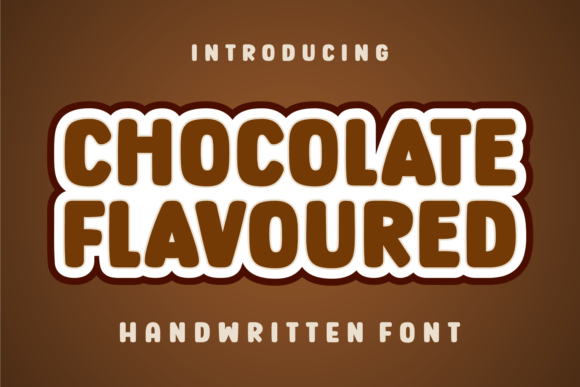
Chocolate Flavoured is characterized by its smooth, flowing strokes and rounded terminals, mimicking the fluidity of melted chocolate. In the context of UI design, this translates to a friendly, approachable, and highly decorative display font. Unlike rigid geometric sans serif fonts that prioritize pure utility, this script font prioritizes emotional connection. It feels handmade yet polished, striking a balance between casual warmth and professional craftsmanship.
When used in hero sections or large headers, the font creates an immediate focal point. Its organic curves break the monotony of grid-based layouts, adding a layer of sophistication and playfulness. For brands aiming to project values of comfort, luxury, creativity, or artisanal quality, this typeface serves as a powerful visual anchor. It is not merely a decorative element; it is a strategic tool for establishing brand identity in crowded digital spaces.
Strategic Placement in Web Layouts
To maximize the impact of Chocolate Flavoured, it is crucial to understand where it performs best within a digital ecosystem. Due to its decorative nature, it functions primarily as a display font. Here is how you can integrate it effectively:
- Hero Headers and Landing Pages: Use the font for main headlines on homepages or product landing pages. Its distinct style captures attention immediately, encouraging users to scroll further.
- Call-to-Action Areas: Short, punchy phrases in CTA sections benefit from the font’s inviting tone. However, ensure the message remains clear and legible.
- Online Store Banners: For e-commerce sites selling lifestyle products, beauty items, or gourmet goods, this font adds a premium feel to promotional banners.
- Blog Graphics and Social Media Assets: Create cohesive brand visuals by using the font for quote cards, section dividers, or featured image overlays.
- Logo Design and Branding: It works exceptionally well for logotypes of boutique brands, coaching services, or creative portfolios where uniqueness is key.
Avoid using Chocolate Flavoured for long paragraphs, navigation menus, or small body copy. Its intricate details can become illegible at smaller sizes, leading to poor user experience and increased bounce rates. Instead, reserve it for high-impact, short-form text where readability is supported by large point sizes and ample white space.
Enhancing Readability and Visual Hierarchy
Visual hierarchy is the backbone of effective web design. Chocolate Flavoured naturally sits at the top of this hierarchy due to its decorative weight. To maintain balance, pair it with highly readable supporting typography. A clean sans serif font is often the best companion, providing a neutral backdrop that allows the script to shine without competing for attention. Alternatively, a classic serif font can create an editorial, magazine-style aesthetic suitable for content-heavy sites.
When designing for mobile screens, responsiveness is critical. Script fonts can lose clarity on smaller viewports. Ensure that when Chocolate Flavoured scales down, it retains sufficient stroke contrast and spacing. Test your layouts on various devices to confirm that the curves do not merge or become pixelated. On dark backgrounds, use lighter weights or increase letter spacing slightly to prevent visual clutter. On light backgrounds, ensure sufficient contrast between the font color and the background to aid scanning behavior.
Practical Applications for Digital Creators
Consider a coaching website for a life mentor. Using Chocolate Flavoured for the headline "Transform Your Life" adds a personal, human touch that sterile corporate fonts cannot achieve. It suggests empathy and care, aligning with the service’s value proposition. Similarly, on a course sales page, using this font for module titles or testimonial highlights can break up dense information, making the content feel more digestible and engaging.
For a creative portfolio, the font can be used in section headings like "Selected Works" or "About Me," injecting personality into the designer’s personal brand. In an online store selling handmade ceramics, the font can elevate product names or collection titles, reinforcing the artisanal nature of the goods. The key is consistency. Once you establish Chocolate Flavoured as part of your brand identity, use it sparingly but consistently across all digital touchpoints, from email headers to app screens.
Technical Considerations and Licensing
Before implementing any premium font, verify the technical specifications. Check if Chocolate Flavoured includes webfont formats such as WOFF and WOFF2, which are optimized for fast loading times on websites. Slow-loading fonts can negatively impact SEO and user engagement. Additionally, look for included alternates or ligatures that might offer more flexibility in logo design or custom graphics.
Licensing is another critical factor. Ensure you have the appropriate commercial license for web use, especially if the font will be embedded in client projects, SaaS platforms, or high-traffic online stores. Many font foundries offer specific web licenses based on page views, so review these terms carefully. Proper licensing protects your business and respects the intellectual property of the type designer.
In conclusion, Chocolate Flavoured is more than just a sweet-themed typeface. It is a versatile design asset that, when used strategically, can enhance brand perception, improve visual hierarchy, and drive user engagement. By pairing it with functional body fonts and respecting its limitations regarding size and context, web designers can create memorable, conversion-oriented digital experiences that resonate with audiences on an emotional level.