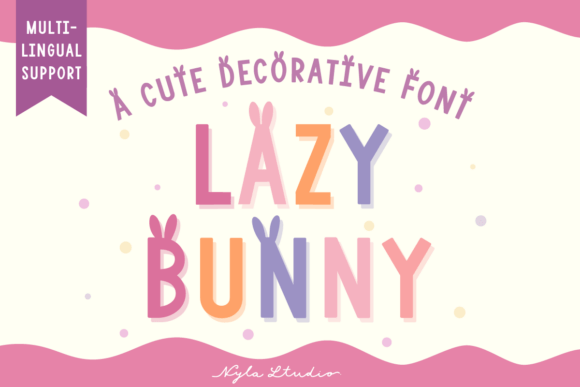
Lazy Bunny: A Playful Decorative Font for Marketers
In the fast-paced world of digital marketing, visual hierarchy is not just a design principle; it is a survival mechanism. When scrolling through social feeds or skimming email inboxes, audiences make split-second decisions about what deserves their attention. As content creators and brand managers, we need tools that cut through the noise without sacrificing brand integrity. This is where Lazy Bunny enters the conversation. More than just a collection of glyphs, this playful decorative font serves as a strategic asset for crafting scroll-stopping visuals, campaign graphics, and memorable brand moments.
Lazy Bunny is defined by its whimsical character and approachable energy. It captures the essence of fun while maintaining enough structural clarity to remain legible in short bursts. For marketers, this balance is critical. A font that is too abstract fails to communicate the message, while one that is too rigid fails to evoke emotion. Lazy Bunny sits comfortably in the sweet spot, offering a personality that feels human, handmade, and inviting. It is an ideal choice for brands looking to soften their image, connect with younger demographics, or inject warmth into seasonal promotions.
Elevating Social Media Graphics and Campaign Visuals
Social media platforms are saturated with generic templates and stock imagery. To stand out, your typography must do heavy lifting. Lazy Bunny excels in environments where personality drives engagement, such as Instagram posts, Pinterest pins, and TikTok covers. When used for reel covers or story highlights, the font’s distinct shapes create an immediate visual hook. It signals to the viewer that the content is lighthearted, accessible, and worth their time.
Consider the application in YouTube thumbnails. These small digital billboards require text that is readable at a glance yet distinctive enough to build channel recognition. Using Lazy Bunny for short, punchy titles can differentiate your content from competitors who rely on standard bold sans serif fonts. Similarly, for Pinterest pins, which often serve as entry points to blogs or online shops, the font adds a layer of editorial charm that encourages clicks. It transforms a simple promotional graphic into a piece of shareable art.
For email headers and website banners, consistency is key. Integrating Lazy Bunny into your digital newsletters helps maintain a cohesive brand voice across touchpoints. Whether you are announcing a flash sale or sharing a behind-the-scenes update, the font ensures that the tone remains friendly and engaging. It works particularly well for lifestyle brands, creative agencies, and small businesses that prioritize community building over corporate formality.
Strategic Readability and Visual Hierarchy
While Lazy Bunny is undeniably charming, its effectiveness relies on proper usage. As a display font, it is designed for impact, not endurance. It shines in headlines, callouts, logos, and short quotes but should be avoided for long-form body text. The goal is to guide the eye, not exhaust it. By reserving Lazy Bunny for key messages, you create a clear visual hierarchy that directs the audience’s attention to the most important information.
Readability on mobile screens requires careful consideration. In a world where most content is consumed on smartphones, text must be large enough and spaced adequately to prevent visual clutter. When using Lazy Bunny for digital ads or landing page headers, ensure sufficient contrast between the text and the background. Avoid placing it over busy images unless you use a solid overlay or drop shadow. This practical approach ensures that your message remains clear even when viewed on a small preview or during a fast scroll.
Font pairing is another crucial element of successful implementation. Because Lazy Bunny has a strong personality, it pairs best with neutral, clean typefaces. A modern sans serif font works excellently for captions and subheaders, providing a stable foundation that allows the decorative elements to shine. Alternatively, combining it with a classic serif font can create an interesting editorial look, blending playfulness with sophistication. The key is to limit the number of typefaces in a single design to maintain visual consistency and professional polish.
Driving Brand Recognition Through Seasonal and Promotional Design
Seasonal campaigns offer a unique opportunity to refresh brand aesthetics without losing core identity. Lazy Bunny is perfectly suited for Easter projects, spring launches, and other festive occasions. Its playful nature aligns naturally with themes of renewal, joy, and celebration. However, its utility extends beyond holidays. It is equally effective for product teasers, webinar banners, and inspirational quote graphics that aim to foster emotional connections with the audience.
For example, imagine a local bakery launching a new line of pastries. Using Lazy Bunny on packaging design and social media stickers creates a cohesive narrative that feels artisanal and welcoming. Or consider a coaching brand promoting a new workshop. A webinar banner featuring Lazy Bunny for the main title can make the event feel less intimidating and more approachable, potentially increasing registration rates. These real-world applications demonstrate how typography influences perception and drives action.
In logo design and brand identity, consistency builds trust. If your brand values include creativity, fun, and accessibility, incorporating Lazy Bunny into your logo mark or primary headings reinforces these traits every time a customer interacts with your content. It becomes a visual shorthand for your brand’s personality. Over time, this repetition aids in brand recognition, making your content instantly identifiable in a crowded marketplace.
Licensing and Professional Implementation
As with any professional design asset, understanding licensing terms is essential before deployment. While Lazy Bunny offers immense creative potential, users must review commercial licensing requirements if the font will be used in client campaigns, merchandise, digital products, or paid advertisements. Ensuring compliance protects both the designer and the brand from legal issues and supports the creators who develop these valuable resources.
Ultimately, Lazy Bunny is more than a decorative font; it is a tool for communication. It allows marketers and designers to express nuance, evoke emotion, and capture attention in a digital landscape that rarely slows down. By integrating this typeface strategically into your social media graphics, web design, and promotional materials, you enhance not just the aesthetic appeal of your content, but its effectiveness. Whether you are designing a simple sticker or a complex campaign visual, let the playful spirit of Lazy Bunny help you tell your story with clarity and charm.